
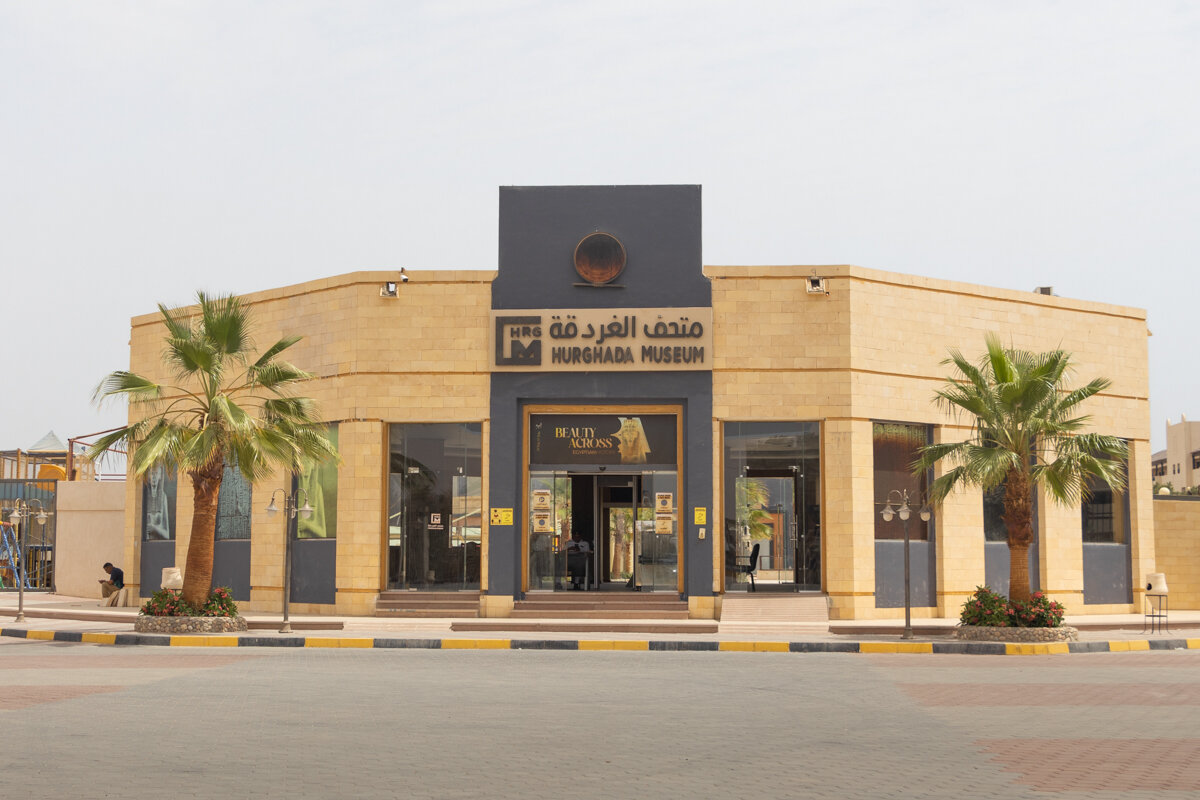
Hurghada Museum: Complete Visitor Guide to Egypt's Red Sea Cultural Treasure
Nestled along Egypt's stunning Red Sea coast, the Hurghada Museum stands as a remarkable testament to over 5,000 years of Egyptian civilization. As the first antiquities museum in the Red Sea Governorate, this modern cultural institution offers visitors a unique opportunity to explore Egypt's magnificent history without traveling to Cairo or Luxor.
What Makes Hurghada Museum Special?
The Hurghada Museum represents a groundbreaking collaboration involving the Ministry of Tourism and Antiquities, the Red Sea Governorate, and private sector funding, making it a unique example of public-private partnership in Egypt's cultural preservation efforts.
Opened in 2020, this modern facility spans 3,000 square meters and showcases an impressive collection centered around a singular, compelling theme: the concept of beauty in Egyptian civilization throughout the ages.
The Museum's Extraordinary Collection
A Journey Through Time
The museum houses 2,000 artifacts spanning from Ancient Egyptian times through Greco-Roman, Jewish, Christian, Islamic, and Modern eras. This comprehensive collection allows visitors to trace the evolution of Egyptian culture across millennia, all under one roof.
The exhibits are thoughtfully organized by historical period, guiding visitors through:
Ancient Egyptian Era (3150-332 BC): Experience the grandeur of pharaonic Egypt through stunning sculptures, ceremonial objects, and daily life artifacts. The collection includes statues of deities, offering tables, and items that reveal the sophistication of ancient Egyptian society.
Greco-Roman Period (332 BC-641 AD): Discover how Greek and Roman influences merged with Egyptian traditions, creating unique artistic expressions that defined this fascinating cultural crossroads.
Coptic Christian Era (3rd-7th century): Admire religious icons and artifacts that showcase the early Christian period in Egypt, demonstrating the country's pivotal role in early Christianity.
Islamic Period: Explore beautifully decorated ceramics featuring intricate geometric patterns and calligraphic designs that exemplify Islamic artistic achievements.
Modern Egypt: Learn about Egypt's journey through the 19th and 20th centuries, including artifacts from the Muhammad Ali dynasty, considered the founders of modern Egypt.
Must-See Highlights
The Crown Jewels of the Collection
While every artifact tells a story, several pieces stand out as absolute must-sees:
Statue of Meritamun: This iconic piece represents the daughter and wife of Ramesses II, one of ancient Egypt's most powerful pharaohs. The statue's exquisite craftsmanship exemplifies royal portraiture at its finest.
Golden Mummies from the Valley of the Golden Mummies: These remarkably preserved mummies, including a touching husband and wife pair, offer intimate glimpses into ancient Egyptian burial practices and beliefs about the afterlife.
Statuette of God Ptah: This divine representation showcases the religious devotion and artistic skill of ancient Egyptian craftsmen.
Offering Table of Thutmose III: A ceremonial piece that connects visitors to one of Egypt's greatest warrior pharaohs.
Amarna Period Pottery: These rare pieces provide insights into the revolutionary artistic and religious changes during Akhenaten's reign, one of ancient Egypt's most fascinating periods.
Muhammad Ali Dynasty Jewelry: Sparkling testament to Egypt's more recent royal heritage, these gold pieces demonstrate the luxury and craftsmanship of 19th and early 20th century Egypt.
Visitor Information: Planning Your Visit
Tickets and Pricing
Entrance fees are structured to accommodate different visitors:
- Foreign Adults: 200 Egyptian Pounds
- Foreign Students: 100 Egyptian Pounds
- Egyptian/Arab Adults: 80 Egyptian Pounds
- Egyptian/Arab Students: 40 Egyptian Pounds
- Audio Tours: 50 EGP (foreigners), 30 EGP (Egyptians/Arabs)
- Children under 6: Free entry
Photography is permitted inside the museum for an additional fee.
Opening Hours
The museum operates with split hours: 10:00 AM to 1:00 PM (ticket window closes at 12:00 PM) and evening hours from 5:00 PM to 11:00 PM (ticket window closes at 10:00 PM). This schedule allows visitors to choose between morning or evening visits, perfect for avoiding the midday heat or fitting cultural experiences around beach activities.
How Long Should You Spend?
Most visitors spend between 60 to 120 minutes exploring the museum, depending on their interest level in Egyptian history. The compact layout makes it easy to see all the major exhibits without feeling rushed, yet provides enough depth to satisfy history enthusiasts who want to linger.
Getting There
Located on El-Nasr Road, the museum sits over 8 kilometers from Hurghada Marina, approximately 20 minutes by car. While it's outside the city center, the museum is easily accessible by taxi or through organized tours that include hotel pickup.
Why Visit Hurghada Museum?
The Perfect Balance for Your Red Sea Vacation
Many travelers come to Hurghada primarily for its world-class diving, pristine beaches, and marine activities. The Hurghada Museum adds an enriching cultural dimension to what might otherwise be a purely beach-focused vacation.
Here's why it's worth your time:
Accessibility: No need to travel to Cairo or Luxor to experience Egypt's incredible history. The museum brings Egyptian civilization to you.
Climate-Controlled Comfort: During the hottest parts of the day when beach activities become less appealing, the air-conditioned museum provides a comfortable cultural respite.
Compact Yet Comprehensive: Unlike massive museums that require entire days to explore, Hurghada Museum offers a focused, manageable experience that fits easily into vacation schedules.
Family-Friendly: The diverse collection appeals to visitors of all ages, making it an excellent educational activity for families traveling with children.
Photography Opportunities: Capture stunning images of ancient artifacts and share your cultural discoveries with friends and family back home.
Beyond the Exhibits: What Else to Expect
Additional Amenities
After exploring the museum's galleries, visitors can browse the ground-floor shopping complex, which offers replicas and souvenirs at reasonable prices. The jewelry section is particularly noted for its quality and affordability, featuring Egyptian-inspired bracelets and earrings.
The museum complex also includes a recreational area and stage for cultural events, adding to the overall visitor experience.
Visitor Guidelines
To ensure an enjoyable experience for everyone, the museum maintains certain policies:
- Photography is permitted with the appropriate ticket
- Food and drinks are not allowed in galleries (except small water bottles)
- Flash photography, umbrellas, and large bags (over 40x40cm) are restricted
- Children must be supervised at all times
- Appropriate attire is requested
Combining Culture with Adventure
The Hurghada Museum perfectly complements the region's other attractions. Consider creating a balanced itinerary that includes:
- Morning: Museum visit during cooler hours
- Afternoon: Snorkeling or diving in the Red Sea
- Evening: Exploring Hurghada Marina or enjoying beachfront dining
This combination allows you to experience both Egypt's ancient cultural treasures and its natural marine wonders in a single trip.
Tips for an Enhanced Experience
Book in Advance: While walk-up tickets are available, booking guided tours in advance often includes convenient hotel pickup and expert interpretation.
Bring Cash: Tickets must be purchased with cash at the entrance, so come prepared with Egyptian pounds.
Visit During Off-Peak Hours: Early morning or evening visits typically mean fewer crowds and a more intimate experience with the artifacts.
Allow Extra Time: While the average visit takes 1-2 hours, history enthusiasts may want to budget additional time to fully appreciate the collection.
Combine with a City Tour: Many tour operators offer packages that include the museum along with other Hurghada attractions like El Mina Mosque, the Marina, and local markets.
The Museum's Educational Mission
Beyond serving tourists, the Hurghada Museum plays a vital role in educating local communities and Egyptian students about their heritage. The facility regularly hosts school groups and cultural programs, fostering appreciation for Egyptian civilization among diverse audiences.
This educational focus ensures that the museum serves not just as a tourist attraction but as a living cultural institution that contributes to heritage preservation and knowledge sharing.
Final Thoughts
The Hurghada Museum represents more than just a collection of ancient artifacts—it's a bridge between Egypt's glorious past and its vibrant present. For visitors to the Red Sea region, it offers an accessible, engaging way to understand the civilization that has captivated the world for millennia.
Whether you're a dedicated history buff, a curious traveler seeking cultural enrichment, or a family looking for educational activities, the Hurghada Museum delivers an experience that enhances any Red Sea vacation. The combination of world-class artifacts, thoughtful presentation, and convenient location makes it an essential stop on any Hurghada itinerary.
As you walk through galleries filled with 5,000 years of human achievement, you'll gain a deeper appreciation for the land you're visiting—understanding that beneath the modern resort city lies a heritage of unparalleled richness and complexity. The museum's focus on beauty throughout the ages reminds us that artistic expression and cultural sophistication have always been fundamental to Egyptian identity.
