
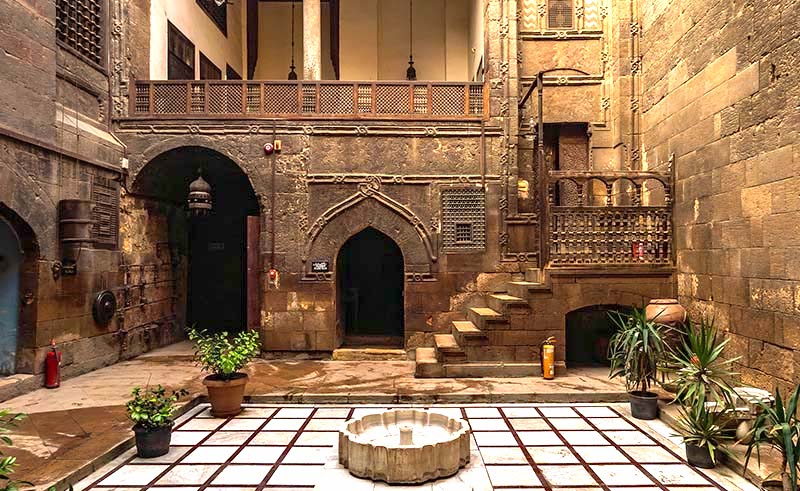
Gayer Anderson Museum Egypt
Nestled beside the iconic Ibn Tulun Mosque in the heart of Islamic Cairo, the Gayer Anderson Museum stands as one of Egypt's most captivating yet often overlooked treasures. This beautifully preserved 17th-century house museum offers visitors an intimate glimpse into Egyptian domestic life spanning centuries, wrapped in mystery, history, and architectural splendor.
What is the Gayer Anderson Museum?
The Gayer Anderson Museum, also known as Bayt al-Kritliyya (House of the Cretan Woman), comprises two adjoining historical houses dating from 1632 and 1540 AD. Named after Major Robert Grenville Gayer Anderson Pasha, a British military officer and passionate collector who lived here from 1935 to 1942, the museum showcases an extraordinary collection of Islamic art, furniture, and artifacts within authentic period rooms.
Location and How to Get There
Address: 4 Midan Ibn Tulun, El-Sayeda Zeinab, Cairo, Egypt
The museum is located directly adjacent to the Ibn Tulun Mosque in the Sayyida Zeinab district of Islamic Cairo. Visitors can easily combine a visit to both attractions in a single trip.
Getting to Gayer Anderson Museum:
- By Metro: Take the Cairo Metro to Sayyida Zeinab Station, then a short taxi ride or 15-minute walk
- By Taxi/Uber: Ask for "Gayer Anderson Museum" or "Ibn Tulun Mosque"
- Guided Tours: Many Cairo city tours include the museum in Islamic Cairo itineraries
Opening Hours and Admission
Opening Hours: Daily from 9:00 AM to 5:00 PM (last entry at 4:30 PM)
History of the House
The Gayer Anderson Museum consists of two magnificent houses connected by a bridge on the third floor. The larger house was built in 1632 by Hajj Mohammad Salem Galmam al-Gazzar, while the smaller dates to 1540 AD. These houses represent the finest examples of 16th and 17th-century domestic Ottoman architecture in Cairo.
Major Gayer Anderson: The Man Behind the Museum
Robert Grenville Gayer Anderson (1881-1945) was a British Army officer, diplomat, and avid collector who fell in love with Egypt. With permission from the Egyptian government, he restored these deteriorating houses and filled them with his remarkable collection of Islamic art, furniture, carpets, and antiquities collected from across the Middle East and Asia.
When he left Egypt in 1942 due to poor health, Gayer Anderson donated the entire house and its contents to the Egyptian government, ensuring its preservation for future generations.
What to See Inside the Museum
Architectural Highlights
The Qa'a (Reception Hall): Features stunning mashrabiya (wooden lattice screens), ornate fountains, and beautifully painted ceilings that exemplify Islamic architectural excellence.
The Harem Section: Explore the private women's quarters with their intricate woodwork and peaceful courtyards, offering insight into traditional Egyptian family life.
The Persian Room: Decorated with exquisite Persian tiles and furnishings, showcasing the cultural exchange between Egypt and Persia.
The Damascus Room: Contains original 17th-century wooden panels from Damascus, featuring Islamic calligraphy and geometric patterns.
The Byzantine Room: Houses Christian artifacts and artwork, reflecting Egypt's diverse religious heritage.
Museum Collection
The museum's collection includes:
- Antique furniture from various Islamic periods
- Rare carpets and textiles
- Islamic ceramics and glassware
- Pharaonic, Greek, and Roman antiquities
- Asian art and Chinese porcelain
- Traditional Egyptian costumes and jewelry
- Ancient weapons and armor
Why Visit Gayer Anderson Museum?
1. Authentic Historical Experience
Unlike many museums where artifacts sit behind glass, Gayer Anderson preserves period rooms exactly as they would have been furnished, creating an immersive time-travel experience.
2. Architectural Marvel
The mashrabiya screens, painted wooden ceilings, marble fountains, and hidden passageways showcase the genius of Islamic architecture.
3. Film Location Fame
The museum gained international recognition as a filming location for the James Bond movie "The Spy Who Loved Me" (1977), where the intricate interiors served as the backdrop for several scenes.
4. Fewer Crowds
Compared to mainstream attractions like the Egyptian Museum or the Pyramids, Gayer Anderson offers a more intimate, peaceful experience.
5. Perfect Combination Visit
Located next to the Ibn Tulun Mosque (one of Cairo's oldest and largest mosques), visitors can explore both sites in one trip.
Visitor Tips
Best Time to Visit: Early morning (9-10 AM) or late afternoon (3-4 PM) to avoid midday heat and tour groups.
What to Wear: Modest clothing is recommended (covering shoulders and knees) out of respect for the neighboring mosque.
Photography: Check current policies, as rules may change. Flash photography may damage delicate artifacts.
Guided Tours: Consider hiring a guide at the entrance for deeper historical context and stories about the house and its collections.
Time Needed: Allow 1-2 hours to fully explore the museum.
Combine with: Visit the nearby Ibn Tulun Mosque, Mosque of Sultan Hassan, or the Citadel of Saladin.
Nearby Attractions in Islamic Cairo
After visiting Gayer Anderson Museum, explore these nearby sites:
- Ibn Tulun Mosque (adjacent): One of Cairo's oldest mosques with unique architectural features
- Mosque-Madrassa of Sultan Hassan (10 minutes): Magnificent Mamluk architecture
- Citadel of Saladin (15 minutes): Medieval Islamic fortification with panoramic Cairo views
- Khan el-Khalili Bazaar (20 minutes): Historic market for souvenirs and local crafts
- Al-Azhar Mosque (20 minutes): One of the world's oldest universities
Practical Information for Tourists
Language: Arabic is the primary language, but guides usually speak English. Basic English signage is available.
Currency: Egyptian Pound (EGP). Credit cards may not be accepted for entry fees.
Accessibility: The museum has multiple floors connected by stairs, which may be challenging for visitors with mobility issues.
Facilities: Basic restrooms are available. Limited café or food options nearby.
Safety: Islamic Cairo is generally safe for tourists during daytime hours. Stay aware of your surroundings and keep valuables secure.
Why Gayer Anderson Museum Deserves More Recognition
While the Pyramids of Giza and the Egyptian Museum dominate Cairo's tourist circuit, the Gayer Anderson Museum offers something truly unique: an authentic, intimate encounter with Egyptian domestic history. The house tells stories that grand temples and tombs cannot—stories of daily life, artistic refinement, cultural exchange, and one man's passionate dedication to preserving Egypt's heritage.
For travelers seeking to understand the soul of Cairo beyond its ancient monuments, this hidden gem provides an unforgettable journey through time, art, and architecture.
Plan Your Visit to Gayer Anderson Museum
Whether you're a history enthusiast, architecture lover, or simply seeking an escape from Cairo's bustling streets, the Gayer Anderson Museum promises a memorable experience. Its enchanting rooms, priceless collections, and romantic atmosphere make it one of Cairo's most rewarding cultural attractions.
Don't miss this opportunity to step back in time and discover one of Egypt's best-kept secrets in the heart of Islamic Cairo.
