
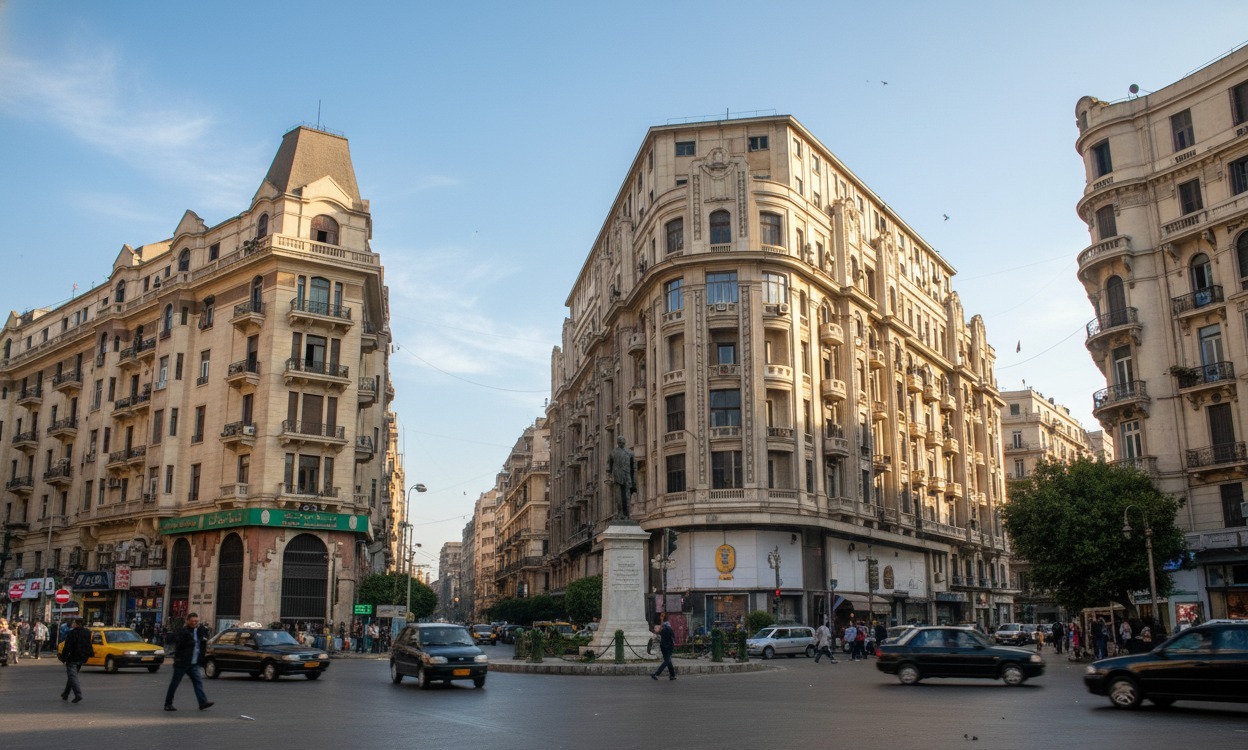
Cairo Streets: Navigating Egypt's Vibrant Capital
Cairo, the sprawling capital of Egypt, is a city where ancient history collides with modern urban life. Its streets tell stories spanning millennia, from pharaonic times through Islamic golden ages to the bustling present day. Whether you're planning your first visit or seeking to understand this mesmerizing metropolis, this guide will help you navigate Cairo's most iconic streets and neighborhoods.
The Heart of Cairo: Downtown Streets
Downtown Cairo, known locally as Wust El-Balad, represents the city's cosmopolitan heritage. Built in the 19th and early 20th centuries, this area features wide boulevards and Belle Époque architecture that earned Cairo the nickname "Paris on the Nile."
Talaat Harb Street stands as downtown's main artery, named after the Egyptian economist who founded Bank Misr. This pedestrian-friendly street buzzes with cafes, bookshops, and historic cinemas. Walking here gives you an authentic taste of Cairo's daily rhythm.
Qasr El Nil Street runs parallel, connecting Tahrir Square to the Nile Corniche. This historic thoroughfare has witnessed major political events and remains a vital commercial hub where old Cairo charm meets contemporary Egyptian life.
Islamic Cairo: Ancient Streets and Timeless Architecture
Islamic Cairo preserves the city's medieval character through narrow, winding streets that have remained largely unchanged for centuries.
Al-Muizz Street ranks among the world's greatest open-air Islamic museums. This pedestrian street stretches through the heart of historic Cairo, flanked by mosques, madrasas, and Mamluk-era buildings. Evening visits offer magical experiences as the monuments illuminate against the night sky.
Khan el-Khalili represents Cairo's most famous bazaar district. The labyrinthine streets here overflow with spice merchants, gold shops, traditional cafes, and craftsmen's workshops. Getting lost in these alleyways is part of the authentic Cairo experience.
Modern Cairo: New Districts and Contemporary Streets
Cairo continues expanding, with new districts offering different experiences from the historic center.
Zamalek occupies Gezira Island in the Nile, providing an upscale residential area with tree-lined streets, art galleries, and riverside cafes. 26th of July Street serves as Zamalek's main thoroughfare, offering excellent dining and shopping.
Heliopolis (Masr El-Gedida) showcases early 20th-century urban planning with wide streets and distinctive architecture. Salah Salem Street and El-Hegaz Street form major arteries through this garden city-style suburb.
The Nile Corniche: Cairo's Riverside Promenade
The Nile Corniche stretches along both banks of the river, offering scenic routes through the city. This waterfront road provides respite from Cairo's density, with parks, restaurants, and boat docks lining the way. At sunset, the Corniche transforms into a social hub where families stroll and friends gather.
Navigating Cairo Streets: Practical Tips
Transportation Options:
- The Cairo Metro offers the fastest way to traverse the city, with three lines connecting major districts
- Uber and local ride-sharing apps provide convenient alternatives to traditional taxis
- Microbuses follow set routes but require knowing Arabic numbers and destinations
- Walking remains ideal for exploring historic neighborhoods, though Cairo's size limits this to specific areas
Best Times to Explore: Morning hours (7-10 AM) and late afternoons (4-7 PM) offer more comfortable temperatures and better light for photography. Avoid midday heat during summer months. Friday mornings see reduced traffic as many Cairenes attend prayers.
Safety Considerations: Cairo streets are generally safe for tourists, particularly in main areas. Stay aware of traffic, as crossing busy streets requires confidence and timing. Keep valuables secure in crowded markets. Women may experience unwanted attention but can minimize this through modest dress and confident demeanor.
Street Food and Café Culture
Cairo's streets pulse with culinary life. Koshary vendors dot every neighborhood, serving Egypt's national dish of rice, lentils, and pasta. Foul and ta'ameya (Egyptian falafel) carts provide breakfast staples. Traditional ahwas (coffeehouses) line major streets, where locals sip tea and play backgammon.
Hidden Gems: Off-the-Beaten-Path Streets
Darb al-Ahmar neighborhood features authentic residential streets rarely visited by tourists, offering glimpses into everyday Cairene life alongside hidden architectural treasures.
Garden City presents a quiet district with curving streets designed to evoke English garden suburbs. Its location near the Nile and government buildings gives it a distinct, somewhat secretive character.
Seasonal Considerations
Cairo's streets change character with seasons. Winter months (November-February) bring pleasant weather perfect for walking tours. Spring occasionally brings dust storms. Summer heat (June-August) makes street exploration challenging during midday. Ramadan transforms street life, with quiet days followed by vibrant, festive nights.
Cairo's streets offer endless discovery. From ancient Islamic quarters to modern boulevards, each area reveals different facets of Egyptian life. The city's apparent chaos follows its own logic, and patient exploration rewards visitors with unforgettable experiences. Whether you're photographing architectural marvels, negotiating in centuries-old markets, or simply observing daily life, Cairo's streets provide the stage for an incomparable urban adventure.
Start with the major thoroughfares, venture into the historic districts, and eventually you'll develop your own favorite corners of this magnificent, overwhelming, endlessly fascinating city. Cairo's streets don't just connect places—they tell the story of a civilization that has thrived here for over a thousand years.
