
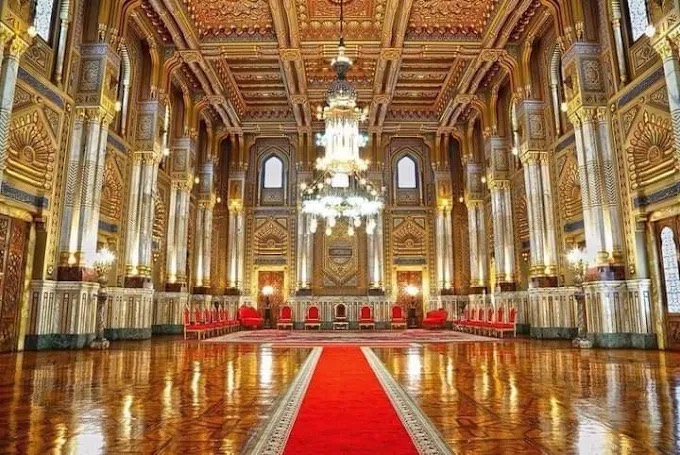
Abdeen Palace: Cairo Royal Palace & Five Museums
Nestled in the heart of downtown Cairo, Abdeen Palace stands as one of Egypt's most magnificent yet underrated historical treasures. While tourists flock to the pyramids and the Egyptian Museum, this opulent 19th-century palace offers an intimate glimpse into Egypt's royal past, housing extraordinary collections that rival any museum in the country.
What Makes Abdeen Palace Special?
Abdeen Palace was constructed by Khedive Ismail and functioned as Egypt's primary royal residence from 1874 until the revolution of 1952. Unlike the ancient monuments Egypt is famous for, this palace tells the story of modern Egypt's monarchy, showcasing the grandeur and ambition of rulers who sought to transform Cairo into a rival of European capitals.
The palace is named after Abdeen Bey, a military commander from Muhammad Ali's era who originally owned a mansion on this site. Khedive Ismail acquired the property from Bey's widow and spent the following decade transforming it into an elaborate palace.
A Palace of Extraordinary Proportions
The sheer scale of Abdeen Palace is breathtaking. Upon completion, the palace covered approximately 100,800 square meters, with an additional 84,000 square meters of gardens added in 1921 by Sultan Fuad. The palace complex contains around 500 rooms, each meticulously decorated with European furnishings, gilded ceilings, and priceless artworks.
Construction costs reached 700,000 Egyptian pounds, with an additional 2 million pounds spent on furnishings, making it one of the most expensive palaces ever built in the region. French architect Leon Rousseau oversaw the project, collaborating with Egyptian, Italian, French, and Turkish designers to create a masterpiece that blends European opulence with subtle Eastern influences.
Five Fascinating Museums Under One Roof
Today, Abdeen Palace operates as a museum complex featuring five distinct collections:
1. The Arms Museum (War Museum)
One of the palace's highlights, this museum displays an impressive collection of weaponry spanning different eras and civilizations. Notable exhibits include antique weapons from various regions, with particularly rare ornate pieces displayed in the White Weapons Section. The collection includes weapons belonging to Egyptian royalty and items from around the world.
2. The Silver Museum
Added to the palace museums in 1998, this collection features silver artifacts belonging to the Muhammad Ali family. The exquisite craftsmanship of these pieces reflects the luxury enjoyed by Egypt's royal household.
3. The Presidential Gifts Museum
Established in 2005, this museum showcases diplomatic gifts received by Egyptian presidents from world leaders. The collection offers fascinating insights into international relations and the ceremonial aspects of diplomacy.
4. The Historical Documents Museum
Opened in 2004, this museum displays important and confidential documents from the era of Muhammad Ali Pasha through to King Farouk I. These documents provide unique windows into Egypt's political history and the decision-making of its rulers.
5. The Royal Family Museum
This collection preserves personal effects and memorabilia from Egypt's royal family, offering intimate glimpses into the daily lives of kings and queens who once called this palace home.
Architectural Marvel: Where Europe Meets Cairo
The architecture of Abdeen Palace is nothing short of spectacular. The design features soaring frescoed ceilings, gold-leafed walls, precious Italian marble, mother-of-pearl inlays, and elaborate woodwork, with chandeliers imported from Europe adding extra brilliance. The exterior showcases Neoclassical elements with ornate balconies and symmetrical facades, while the interiors embrace Rococo curves and Baroque drama.
What sets Abdeen Palace apart from other Cairo palaces is its bold European aesthetic. The palace reflects Khedive Ismail's vision of transforming Cairo into the "Paris of the East," creating a striking contrast with the traditional Islamic architecture found elsewhere in the city.
Historical Significance: Witness to Egypt's Transformation
Abdeen Palace has been at the center of some of Egypt's most pivotal moments. In 1881, the palace witnessed the first Orabi-led protest, where demands of the Egyptian army and people were vocalized to Khedive Mohamed Tawfik. The palace hosted royal weddings, state ceremonies, treaty signings, and diplomatic receptions throughout the monarchy period.
Following the July 1952 coup, the palace transitioned from a royal residence to one of Egypt's presidential palaces. Today, the upper floors remain reserved for official state functions and visiting dignitaries, while the lower floors welcome public visitors.
Visitor Information: Planning Your Visit
Opening Hours
Abdeen Palace is open from 9:00 AM to 4:00 PM, Saturday through Thursday. The palace is closed on Fridays. Visitors are typically asked to complete their tours by 2:30 PM, as the museum closes relatively early around 3:00 PM.
How Much Time to Allocate
Most visitors spend approximately 1.5 to 2 hours exploring the accessible museum areas and palace grounds. If you're a history enthusiast or museum lover, consider allocating three hours to fully appreciate the collections.
Getting There
Abdeen Palace is centrally located in downtown Cairo at Abdeen Square, near Qasr el-Nil Street. The easiest options include:
- Taxi or Uber: The most convenient choice, offering direct access to the palace entrance
- Metro: Take the metro to Mohamed Naguib station, followed by a short walk to the palace
Important tip: The museum entrance is located on a side street, and the ticket booth is across the street from the entrance, which can be confusing for first-time visitors.
Practical Tips for Visitors
Dress Code: While there's no strict formal dress code, modest attire is advisable as a sign of respect for this historic site. Comfortable walking shoes are essential for exploring the marble floors and multiple museum rooms.
Photography: Photography is generally permitted in the ground floor museums with the proper ticket. Flash photography is typically prohibited to protect the artifacts.
Guided Tours: Visitors are often greeted at the entrance by curators who offer guided tours, which come highly recommended for understanding the palace's rich history and significance.
Access Limitations: Note that the upper floors, which contain the former royal family living quarters, are reserved for official use and visiting dignitaries. Only the ground floor museums are accessible to general visitors.
Why Abdeen Palace Deserves Your Time
Unlike the crowded Egyptian Museum or the tourist-packed pyramids, Abdeen Palace offers a serene, uncrowded experience that allows you to truly absorb Egypt's history. The palace represents a fascinating chapter often overlooked by visitors: Egypt's ambitious modernization efforts, its monarchy's final decades, and the dramatic political transformations of the 20th century.
The combination of stunning architecture, diverse museum collections, and peaceful gardens creates an experience that appeals to history buffs, architecture enthusiasts, and anyone seeking an off-the-beaten-path Cairo adventure.
Making the Most of Your Downtown Cairo Visit
Abdeen Palace pairs perfectly with other downtown Cairo attractions. After exploring the palace, consider visiting:
- The Egyptian Museum (within walking distance)
- Tahrir Square
- Khan el-Khalili bazaar
- Cairo Tower for panoramic city views
The palace's central location makes it an ideal addition to any Cairo itinerary, offering cultural depth and historical context to complement your exploration of ancient Egypt.
Final Thoughts
Abdeen Palace stands as a testament to Egypt's complex identity—part ancient civilization, part colonial-era ambition, part modern republic. Its transformation from royal residence to public museum mirrors Egypt's own journey through monarchy, revolution, and independence.
Whether you're captivated by military history, fascinated by royal lifestyles, or simply appreciate stunning architecture and craftsmanship, Abdeen Palace promises an enriching experience. It's one of Cairo's best-kept secrets, offering substance, beauty, and historical significance without the overwhelming crowds found at more famous sites.
As you wander through the opulent halls where kings once walked and examine artifacts spanning centuries of Egyptian history, you'll gain a deeper appreciation for this nation's multifaceted heritage. Abdeen Palace isn't just a museum—it's a journey through time, offering perspectives on Egypt that few visitors take the time to discover.
