
The Mummification Museum, Luxor: Your Complete Guide to Ancient Preservation Secrets
Nestled along the scenic Corniche in Luxor, Egypt, the Mummification Museum offers visitors a fascinating and intimate glimpse into one of ancient Egypt's most mysterious practices. This specialized museum reveals the intricate, millennia-old process that allowed pharaohs and elite Egyptians to achieve their profound dream of eternal life.
What Makes This Museum Unique?
The Mummification Museum in Luxor is Egypt's only museum dedicated entirely to the ancient art of preserving the dead. Opened in 1997, this compact yet comprehensive institution showcases the tools, materials, and complex techniques used by ancient Egyptian embalmers over 3,000 years ago.
-
Location: Situated directly on the Corniche, the museum overlooks the beautiful Nile River. Since it sits conveniently between Luxor Temple and the larger Luxor Museum, it's an easy and essential addition to any Luxor itinerary.
What You'll Discover Inside
The museum’s exhibits are meticulously curated to tell the story of the 70-day mummification process, providing exceptional educational value.
Ancient Mummification Tools and Materials
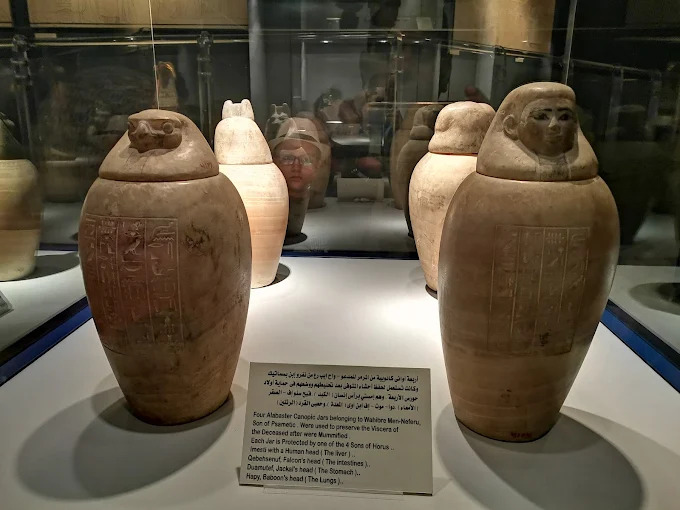
Visitors can view authentic embalming instruments once used by ancient Egyptian priests. The display includes specialized tools like bronze hooks for removing the brain, various knives, and canopic jars designed to hold the deceased's internal organs. Furthermore, you will see the actual preservation materials utilized, such as natron salt, linen wrappings, resin, and precious oils.
Human and Animal Mummies
The collection features several well-preserved human mummies that date from different periods of Egyptian history. Equally compelling are the animal mummies on display, which include cats, fish, and crocodiles. Ancient Egyptians mummified animals for two primary reasons: as sacred offerings to their gods and as beloved pets to accompany their owners into the afterlife.
The 70-Day Process Explained
Through interactive displays and detailed exhibits, the museum walks visitors through each stage of the mummification process. You'll learn precisely how the embalmers removed the brain through the nose, extracted all internal organs, dried the body with natron for 40 days, and then meticulously wrapped it in hundreds of yards of linen while reciting protective spells.
Coffins and Funerary Equipment
The museum houses beautifully decorated coffins, funerary masks, and protective amulets that were placed directly on the mummies. These artifacts powerfully demonstrate the artistic skill and deep religious devotion that went into preparing an individual for eternal life.
Why You Should Plan a Visit
The Mummification Museum offers distinct advantages over larger, more general museums, making it an excellent stop.
-
Unique Focus: Unlike institutions that cover all aspects of ancient Egyptian civilization, this museum provides specialized, in-depth knowledge about one single, fascinating topic. Therefore, it is perfect for visitors who truly want to understand the "how" and "why" behind Egypt's most famous practice.
-
Manageable Size: You can thoroughly explore the entire museum in about 45 minutes to an hour. The compact layout ensures you won't experience museum fatigue while still gaining comprehensive knowledge of the subject.
-
Affordable Entry: Compared to other Luxor attractions, tickets are reasonably priced, typically around 100 Egyptian pounds for foreign visitors, with discounts available for students.
-
Educational Value: The well-curated exhibits include clear English descriptions and explanations. This makes complex ancient practices accessible to modern visitors and makes the museum excellent for families, students, and anyone curious about ancient Egyptian beliefs about death and the afterlife.
Practical Visitor Information
-
Location: Corniche el-Nil, Luxor, Egypt (just north of Luxor Temple).
-
Hours: Typically open daily from 9:00 AM to 5:00 PM (check current seasonal variations).
-
Duration: Allow 45–60 minutes for your visit.
-
Photography: Photography is usually permitted without flash; however, you should always check the current policy upon entry.
-
Accessibility: Since the museum is relatively small, it has limited wheelchair access.
Tips for Enhancing Your Visit
-
Best Time to Visit: Arrive either in the early morning or late afternoon to avoid crowds and the midday heat. The museum is air-conditioned, which makes it a comfortable midday retreat during Luxor's hot summers.
-
Combine Your Trip: You can easily visit the nearby Luxor Museum on the same day, as both are within comfortable walking distance. You can easily see both museums in a half-day excursion.
-
Hire a Guide: Although the exhibits include excellent English labels, hiring a knowledgeable guide can significantly enhance your understanding of the religious and cultural significance behind mummification practices.
-
Dress Modestly: As with all Egyptian attractions, respectful dress is appreciated (e.g., covered shoulders and knees).
Understanding the Ancient Egyptian Beliefs
The mummification process was much more than simply preserving bodies; it was a ritual deeply rooted in Egyptian religious beliefs. Ancient Egyptians fervently believed that preserving the physical body was absolutely essential for the soul's successful journey through the afterlife. The Mummification Museum effectively conveys these profound spiritual dimensions, helping visitors understand that the entire process represented hope, faith, and the universal human desire for immortality.
This museum provides the perfect context for understanding the grand monuments of Luxor. You should consider visiting the Mummification Museum before exploring the Valley of the Kings. By doing so, you'll gain a deeper appreciation for what you encounter in the tombs where the preserved bodies of pharaohs were laid to rest.
