
East Bank of Luxor: Ancient Egypt's Living Museum
The East Bank of Luxor stands as one of Egypt's most magnificent archaeological treasures, drawing millions of visitors each year to witness the grandeur of ancient Thebes. Unlike its counterpart across the Nile, the East Bank represents the realm of the living in ancient Egyptian cosmology, hosting spectacular temples and bustling modern life that coexists with millennia-old monuments.
What Makes the East Bank Special?
The East Bank of Luxor is home to two of ancient Egypt's most iconic temple complexes: Karnak Temple and Luxor Temple. This side of the Nile served as the vibrant center of ancient Thebes, where pharaohs worshipped their gods and celebrated their divine power. Today, the East Bank seamlessly blends ancient wonders with contemporary Egyptian culture, offering visitors an authentic experience of both past and present.
Karnak Temple: The Crown Jewel of the East Bank
No visit to the East Bank is complete without exploring Karnak Temple, the largest religious complex ever built. This vast open-air museum covers over 200 acres and represents the combined efforts of multiple pharaohs across 2,000 years of construction.
Highlights of Karnak Temple:
The Great Hypostyle Hall stands as the most breathtaking feature of Karnak, with 134 massive columns arranged in 16 rows. Each column soars up to 70 feet high, adorned with intricate hieroglyphs and reliefs that tell stories of ancient battles and religious ceremonies.
The Sacred Lake served as a purification site for priests and still reflects the temple's towering pylons in its calm waters, creating perfect photo opportunities for visitors exploring the East Bank.
The Avenue of Sphinxes once connected Karnak to Luxor Temple, a 2.7-kilometer processional route recently restored to its former glory, allowing visitors to walk in the footsteps of ancient pharaohs.
Luxor Temple: Evening Splendor on the East Bank
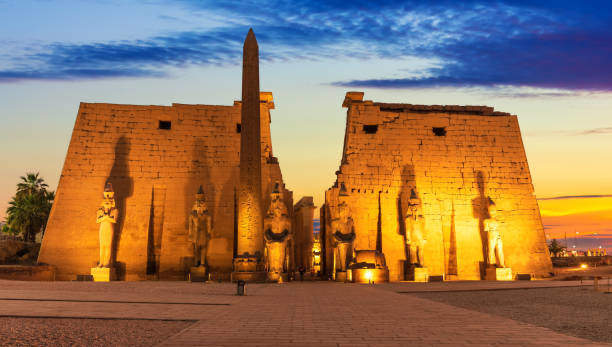
Located in the heart of modern Luxor city, Luxor Temple offers a different experience from Karnak. This temple was dedicated to the rejuvenation of kingship and becomes especially magical after sunset when illuminated lighting brings the ancient stones to life.
Must-See Features at Luxor Temple:
The First Pylon greets visitors with its massive 79-foot-high facade, flanked by seated colossi of Ramesses II. Originally, two obelisks stood guard here, though one now resides in Paris's Place de la Concorde.
The Mosque of Abu el-Haggag sits atop the temple complex, a stunning example of how the East Bank layers different periods of history. This 13th-century mosque remains active today, creating a unique blend of Islamic and pharaonic architecture.
The Colonnade of Amenhotep III features 14 massive columns leading to the temple's inner sanctums, with walls depicting the Opet Festival, one of ancient Egypt's most important religious celebrations.
Luxor Museum: The East Bank's Hidden Gem
Often overlooked by rushed tourists, Luxor Museum on the East Bank houses some of Egypt's finest artifacts in a modern, well-curated space. The collection focuses on quality over quantity, displaying statues, mummies, and treasures found in the Luxor area with excellent lighting and informative descriptions.
Experiencing Modern Life on the East Bank
Beyond ancient monuments, the East Bank pulses with contemporary Egyptian life. The Corniche, a scenic promenade along the Nile, comes alive at sunset when locals and visitors stroll, sip tea at riverside cafés, and watch traditional feluccas sail past.
The East Bank souks offer authentic shopping experiences where you can haggle for spices, perfumes, traditional clothing, and handcrafted souvenirs. The local markets provide insight into daily Egyptian life, far from the tourist-oriented shops near the temples.
Best Time to Visit the East Bank
The East Bank of Luxor enjoys year-round sunshine, but the most comfortable visiting months are October through April when temperatures range from 70-85°F (21-29°C). Summer months (May-September) can be extremely hot, with temperatures exceeding 104°F (40°C).
Early morning visits to the temples on the East Bank offer cooler temperatures, softer light for photography, and smaller crowds. Alternatively, visiting Luxor Temple in the evening allows you to experience the spectacular illumination while avoiding midday heat.
Getting Around the East Bank
The East Bank is relatively compact, making it easy to explore. Options include:
- Walking: Luxor Temple and the Corniche are within walking distance of most hotels
- Taxi: Affordable and readily available for traveling between Karnak and Luxor Temple
- Caleche (horse-drawn carriage): A traditional way to tour the East Bank
- Bicycle: Some hotels offer bike rentals for exploring at your own pace
Practical Tips for Visiting the East Bank
Dress appropriately for temple visits on the East Bank. While there's no strict dress code for ancient sites, modest clothing (covering shoulders and knees) shows respect and provides sun protection.
Hire a knowledgeable guide to truly appreciate the East Bank's temples. The hieroglyphs, symbolism, and historical context become far more meaningful with expert explanation.
Stay hydrated when exploring the East Bank, especially during warmer months. Bring water and take breaks in shaded areas.
Plan for at least two days to properly explore the East Bank. Karnak alone deserves several hours, and rushing through diminishes the experience.
Where to Stay on the East Bank
The East Bank offers accommodation options ranging from budget hostels to luxury five-star hotels. Many properties feature Nile views and rooftop terraces where you can watch the sunset over the West Bank mountains. Staying on the East Bank provides easy access to restaurants, shops, and nightlife while keeping you close to the major temples.
The East Bank vs. West Bank
While the East Bank represented life and worship in ancient times, the West Bank (where the sun sets) was dedicated to death and the afterlife, housing the Valley of the Kings and Valley of the Queens. Most visitors explore both sides of Luxor, but the East Bank offers more opportunities to engage with contemporary Egyptian culture alongside ancient monuments.
Sound and Light Show at Karnak
One of the East Bank's most popular evening activities is the Sound and Light Show at Karnak Temple. This dramatic presentation uses narration, music, and strategic lighting to bring the temple's history to life, offering a different perspective than daytime visits.
Dining on the East Bank
The East Bank serves up authentic Egyptian cuisine at restaurants ranging from street food stalls to upscale dining establishments. Try local specialties like koshari, ful medames, and fresh fish from the Nile. Many rooftop restaurants offer stunning temple views alongside traditional dishes.
Photography Tips for the East Bank
The East Bank's temples offer endless photographic opportunities. For the best results, visit during the golden hours just after sunrise or before sunset when warm light enhances the honey-colored stone. The Great Hypostyle Hall at Karnak creates dramatic light rays streaming between columns during midday.
Why the East Bank Should Be on Your Egypt Itinerary
The East Bank of Luxor delivers an unparalleled combination of archaeological wonders, cultural experiences, and modern amenities. Whether you're a history enthusiast, photography lover, or cultural explorer, the East Bank provides unforgettable experiences that connect you with one of humanity's greatest civilizations.
From the towering columns of Karnak to the illuminated beauty of Luxor Temple at night, from bustling souks to peaceful Nile sunsets, the East Bank encapsulates everything that makes Egypt magical. It's not just a destination to visit but a living testament to the enduring legacy of ancient Egypt, where the past and present coexist in remarkable harmony.
Plan your journey to the East Bank of Luxor and prepare to be transported across millennia, walking the same ground where pharaohs once ruled and priests once worshipped, all while experiencing the warm hospitality of modern Egypt.
Ready to explore the living heart of ancient Thebes? Let Narita Travel guide you through the East Bank of Luxor with expertly curated tours to Karnak Temple, Luxor Temple, and the city’s cultural highlights. With professional Egyptologist guides, seamless transportation, and flexible itineraries, Narita Travel transforms sightseeing into a rich, memorable experience. Book your East Bank of Luxor tour today and discover where ancient history and modern Egypt come alive effortlessly and authentically. ✨🏛️
