
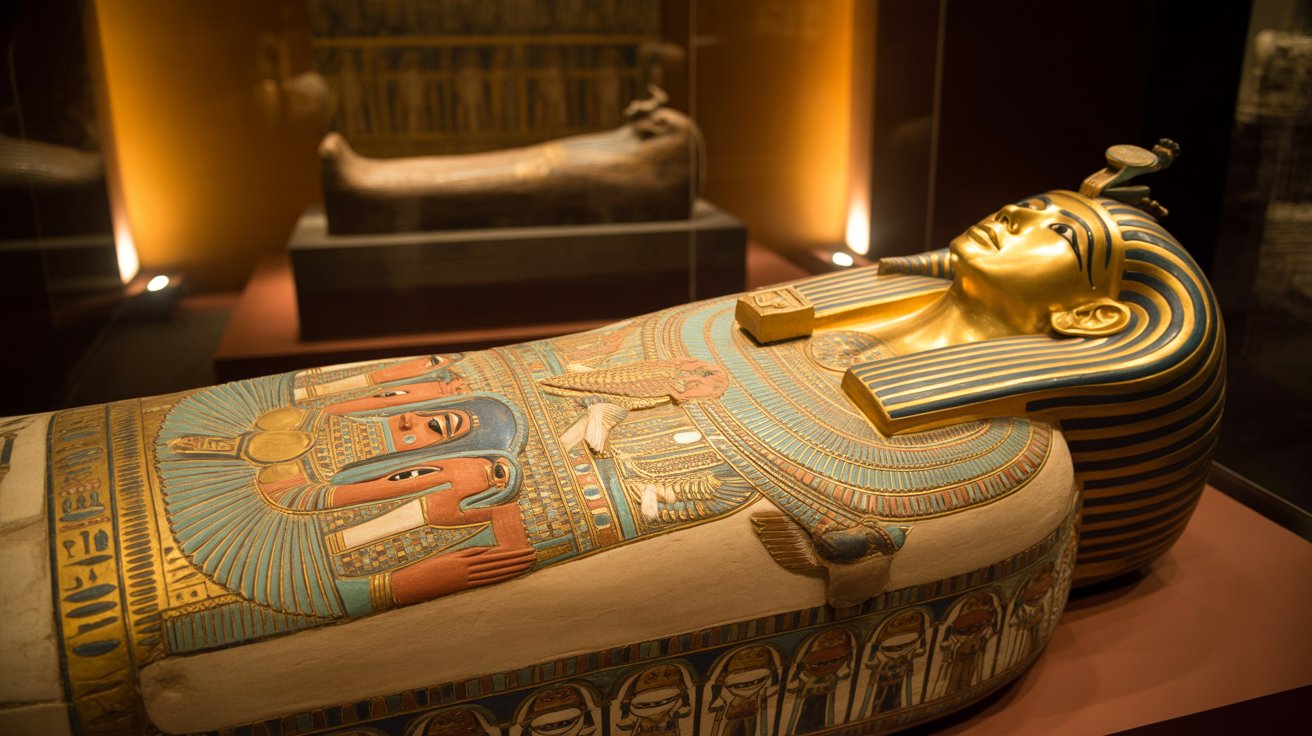
The Art of Mummy Coffins: Egyptian Sarcophagi Through Ages
When we think of ancient Egypt, few images are as iconic as the ornate mummy coffin. These magnificent vessels, known as sarcophagi, served as the final resting places for pharaohs, nobles, and everyday Egyptians alike. The relationship between the sarcophagus and mummy represents one of humanity's most enduring attempts to preserve the body and soul for eternity.
Understanding the Egyptian Coffin
An Egyptian coffin was far more than a simple burial container. It was a sacred vessel designed to protect the deceased on their journey to the afterlife. The term "sarcophagus" comes from Greek, meaning "flesh-eating stone," though Egyptian coffins were crafted from various materials including wood, stone, and precious metals.
The mummification coffin evolved significantly over Egypt's 3,000-year history. Early burials used simple reed baskets, but by the Old Kingdom, wooden coffins with rectangular shapes became standard. During the Middle Kingdom, anthropoid coffins shaped like the human form emerged, providing a more personal connection between the container and its occupant.
The Mummification Process and Its Coffin
The connection between mummification and the coffin was inseparable in ancient Egyptian culture. After the elaborate 70-day mummification process, which involved removing internal organs, desiccating the body with natron salt, and wrapping it in linen bandages, the mummy was ready for its eternal home.
The mummification coffin was carefully prepared during this period. Artists would paint protective spells, images of deities, and scenes from the Book of the Dead on the coffin's surfaces. These weren't merely decorative elements but were believed to provide magical protection and guidance for the deceased's soul, or ka, as it navigated the perilous underworld.
Layers of Protection: Sarcophagus and Mummy
Wealthy Egyptians enjoyed multiple layers of protection. A typical royal burial might include:
- Inner coffin: Often gilded and shaped to the body's form, this layer held the wrapped mummy directly
- Middle coffin: Providing additional protection and often richly decorated
- Outer sarcophagus: Usually made of stone, serving as the final protective layer
This nesting doll arrangement of sarcophagus and mummy demonstrated the Egyptians' commitment to preservation. Each layer featured increasingly elaborate decorations, with the innermost coffin often showcasing the most intimate and detailed artwork.
Materials and Craftsmanship
The materials used for a mummy coffin varied based on the deceased's social status and the historical period. Common woods included sycamore, cedar from Lebanon, and native acacia. Stone sarcophagi were carved from limestone, granite, basalt, or quartzite, requiring exceptional skill and months or even years of labor.
Artisans covered wooden coffins with gesso, a plaster-like substance, before painting them with vibrant pigments. Gold leaf adorned the coffins of royalty, reflecting the sun god Ra's eternal brilliance. The face on the coffin lid was idealized, showing the deceased in their prime rather than depicting realistic aging or death.
Symbolism and Decoration
Every element of the Egyptian coffin carried symbolic meaning. The blue and gold color schemes represented the heavens and divine nature. Images of protective deities like Anubis, Osiris, Isis, and Nephthys surrounded the mummy. Hieroglyphic texts contained spells from funerary literature to ward off evil and assist the deceased.
The eyes painted on Middle Kingdom coffins served a practical purpose beyond decoration. Positioned on the eastern side of the coffin, they allowed the deceased to see out and witness the rising sun, participating symbolically in daily rebirth.
Famous Egyptian Sarcophagi
History has preserved remarkable examples of the sarcophagus. King Tutankhamun's nested coffins remain the most famous, with the innermost coffin crafted from 110 kilograms of solid gold. The quartzite sarcophagus of Hatshepsut, one of Egypt's few female pharaohs, showcases the skill of New Kingdom craftsmen. Ramesses II's granite sarcophagus demonstrates the monumental scale achievable in stone.
Evolution Through the Dynasties
The style of the mummification coffin transformed across Egypt's dynastic periods. Old Kingdom coffins were simple and rectangular. Middle Kingdom coffins introduced regional variations and extensive text coverage. New Kingdom sarcophagi reached unprecedented artistic heights with elaborate decorative programs and vibrant colors. During the Late Period, economic constraints led to more standardized, mass-produced coffins, though royal burials maintained their grandeur.
Modern Discoveries and Study
Archaeological discoveries continue to reveal new insights about the sarcophagus and mummy relationship. Recent excavations have uncovered intact burial chambers with perfectly preserved coffins, offering researchers opportunities to study ancient techniques. Modern imaging technology allows scientists to examine mummies without unwrapping them, revealing details about the deceased's health, diet, and cause of death while respecting the integrity of the burial.
The Coffin's Role in Resurrection
In Egyptian belief, the body needed preservation for the soul's return. The mummy coffin served as a substitute body if the mummy deteriorated. Coffin texts and decorations provided a "backup plan" for resurrection, ensuring that even if the physical form failed, the deceased could achieve immortality through magical means.
Preservation for Eternity
The ancient Egyptians' efforts at preservation succeeded beyond their wildest dreams. While they couldn't have imagined museum display cases and climate-controlled environments, their careful preparation of both sarcophagus and mummy has allowed these artifacts to survive millennia. Today's visitors to museums worldwide can stand face-to-face with individuals who lived thousands of years ago, their features preserved on coffin lids and their bodies protected within.
Conclusion
The Egyptian coffin represents humanity's oldest and most elaborate attempt to defeat death. From humble reed baskets to golden sarcophagi, these vessels carried not just mummified bodies but also dreams of immortality, religious devotion, and artistic expression. The relationship between the sarcophagus and mummy embodies ancient Egypt's sophisticated understanding of preservation, spirituality, and the afterlife.
As we study these remarkable artifacts today, we gain more than historical knowledge. We connect with our ancestors' universal desire to be remembered, to matter beyond our brief time on earth. The mummification coffin, in all its forms, remains a powerful symbol of that eternal human hope—a hope that continues to resonate thousands of years after the last Egyptian pharaoh was laid to rest.
home
